

Chicago Liposuction by Dr. David Dreyfuss
Does it seem like these stubborn fat deposits are immune to any health regimen or workout? You sacrifice your favorite meals, you push yourself with physical training, but the body fat just stays. You feel good – but you want to look better!
Many people, active or not, become frustrated after multiple attempts to lose areas of stubborn fat around their thighs, hips, abdomen, love handles, knees, back, arms, neck, and chin.
By using new liposuction technology, we can eliminate those areas of fat that are unresponsive to typical weight-loss methods, and with gentler, state-of-the-art techniques, we can do it with less bruising, less pain, and shorter recovery time. Once you’ve fully recovered, you should see a slimmer, more proportionate figure.
If you want to find out if you’re a good candidate for Liposuction in Orland Park or to learn more about the procedure, please reach out to Dr. Dreyfuss. Call us at (815)806-9400 or contact us today!
Quick Links
Consultation for Liposuction in Orland Park
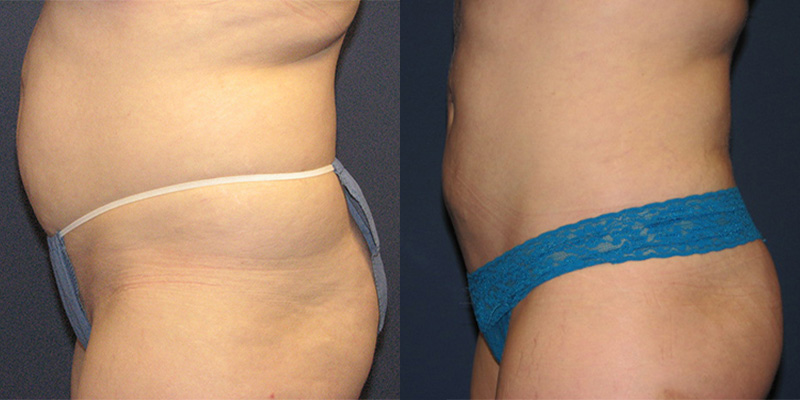
Your initial visit is valuable. We will administer a medical exam to determine if you are an appropriate candidate and we will discuss your goals concerning liposuction, explore your liposuction options, and determine a liposuction procedure that best suits you. Please bring photos to show the results you wish to attain. This will help us understand what your aesthetic goals are and help us determine if they’re reasonable.
We will consult with you on the benefits, risks, and healing during recovery in detail. This initial visit is a great time for you to discuss your concerns and ask any questions you have about liposuction.
Are You a Good Candidate for Liposuction Chicago?
If you exhibit stubborn fat deposits – localized areas of fat – then you may be a good candidate for liposuction. To be a candidate, it’s crucial that patients be close to their ideal weight or have a healthy body mass index before undergoing liposuction—it is not a weight loss procedure. Patients should not expect to lose a significant amount of weight through the procedure.
The chief purpose of liposuction is the removal of stubborn fat, not skin. It’s why the most ideal candidates for liposuction are the ones who have good skin elasticity; we don’t want the liposuction procedure to result in loose, excess skin.
Optimal Chicago liposuction candidates are:
- Within thirty percent of their ideal weight, and possess good body tone and skin elasticity.
- Patients who have no serious health issues.
- Patients who don’t smoke.
- Patients who understand the risks and have realistic expectations of what liposuction can do and not do.
Dreyfuss Plastic Surgery provides liposuction for Orland Park residents who are frustrated with stubborn fat deposits. You can get a realistic picture of what liposuction achieves by viewing our liposuction before and after photos.
Why Choose Dr. David Dreyfuss?
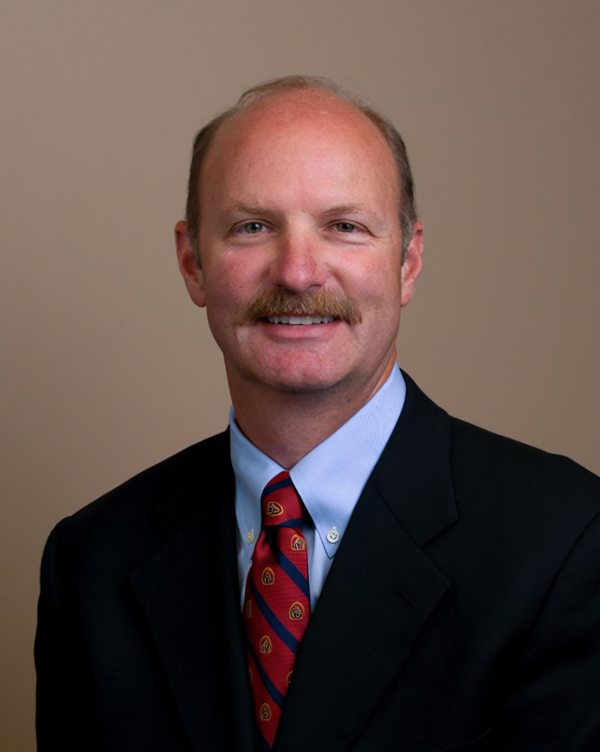
With decades of experience and board certification from the American Board of Plastic Surgery, Dr. David Dreyfuss offers a refined balance of surgical skill, artistic vision, and personalized care, including cosmetic eyelid surgery. Patients from across the region trust him for his expertise in procedures such as breast augmentation, liposuction, laser skin resurfacing, and eyelid surgery. Known for his compassionate approach and commitment to excellence, Dr. Dreyfuss personally guides each patient through every step of their surgical journey—from the first consultation to your final results.
If you’re considering a change—whether it’s enhancing your features or restoring what time has altered—our Orland Park practice is here to help. Dr. Dreyfuss invites you to schedule a private consultation and discover the many surgical and non-surgical options available to help you look and feel your very best. Your vision, paired with his experience, can create results that are both natural and transformative.






How Liposuction Works
Dr. Dreyfuss performs liposuction as an outpatient procedure in our AAASF and JCAHO-accredited surgical facility. Your liposuction surgery will be performed under epidural or general anesthesia. In most cases, we perform liposuction under general anesthesia. Since tumescent liposuction is the most trusted body contouring method available, Dr. Dreyfuss frequently performs it. First, Dr. Dreyfuss will make small incisions in the target area to allow the liposuction device to access the unwanted fat cells. The incisions are small enough that they’ll look inconspicuous when they heal—almost like small moles.
Before the procedure begins, Dr. Dreyfuss saturates the fat with a special tumescent solution. Through a very small incision, he inserts a tiny tube (cannula). The cannula manipulates the fatty tissue and removes fat using suction. The anesthetic-containing tumescent solution reduces bleeding, reduces pain, and makes it easier to collect fat without damaging the tissues.

View Real Patient Results
Explore our before and after gallery to see real patient transformations performed by Dr. David Dreyfuss. From subtle enhancements to dramatic results, these photos showcase the artistry and precision behind every procedure.
Recovery After Liposuction
The recovery time for liposuction will vary depending on the extent of the procedure. The average recovery time is 2-3 weeks. Although you should expect some bruising, swelling and discomfort during your liposuction recovery, patients typically return to work or school within seven days. A special compression garment is usually provided to reduce swelling and ensure a smooth result. After about four weeks, patients can typically return to their exercise regimen. Dr. Dreyfuss will help map out a recovery plan for you.
It is important to understand that diet and exercise are critical to maintaining the results you achieve with liposuction.
Choosing a Plastic Surgeon for Liposuction in Orland Park
If you’re considering liposuction, you’ll have many important choices to make. The most important choice concerning liposuction is the surgeon who will perform the procedure. Are they properly trained and educated? Are they in good standing with the medical boards and the local community? Are they board-certified?
Your plastic surgeon for liposuction should:
- Be board-certified
- Have completed at least six years of surgical training and three years of plastic surgery residency training
- Have passed a comprehensive array of written and oral exams
- Have graduated from a prestigious medical school
- Complete continuing medical education every year
- Perform liposuction in an accredited surgical facility
They should have extensive experience in liposuction with photo galleries and testimonials to prove it. They should also have a thriving practice with a team of compassionate, caring, and professional members to support them.
You should feel at ease with this team before choosing the surgeon for your liposuction. Please visit our About Us page to review the credentials of Dr. Dreyfuss and our team, as well as our facility.
Liposuction FAQs
How much weight will I lose from liposuction?
Liposuction is not a weight loss procedure, so patients should not expect to lose a significant amount of weight from surgery alone. The main purpose of liposuction is to remove localized pockets of stubborn fat that have not responded to diet and exercise. While the goal is body contouring rather than a lower number on the scale, patients can lose several pounds, depending on the treated areas. Dr. Dreyfuss generally recommends that liposuction patients already be close to their ideal weight or have a healthy body mass index (BMI) before surgery. The best results usually come when liposuction is used to refine shape, improve proportions, and enhance body contours.
Does liposuction permanently remove fat?
Yes, liposuction permanently removes fat cells from the treated area, which is one reason it can create long-lasting body-contouring improvements. Once those fat cells are removed, they do not grow back in the same way. However, that does not mean liposuction results are immune to future weight gain. If a patient gains weight after surgery, the remaining fat cells in treated or untreated areas can still expand, affecting overall body shape. Liposuction works best for reducing stubborn fat, not for weight control. Maintaining a stable weight through diet and exercise is important for preserving liposuction results over time.
How long do liposuction results last?
Liposuction results can last for many years when patients maintain a stable weight and healthy lifestyle after surgery. Since liposuction permanently removes fat cells from the targeted area, the contour improvement can be long lasting. Still, body changes from weight fluctuation, aging, pregnancy, or hormonal shifts can affect how the treated areas look over time. Diet and exercise are critical to maintaining the results achieved with liposuction. Patients who continue healthy habits often enjoy their slimmer shape much longer. Liposuction offers durable contouring improvement, but preserving those results depends heavily on long-term lifestyle choices after recovery.
How do I sleep after liposuction?
Sleeping after liposuction should be done carefully to avoid unnecessary pressure on the treated areas during early recovery. The best sleeping position can vary depending on whether liposuction was performed on the abdomen, flanks, thighs, arms, or another area. In many cases, patients are more comfortable resting on their backs with supportive pillows to reduce movement and help manage swelling. Dr. Dreyfuss provides specific aftercare instructions based on your treatment plan and the extent of the procedure. Following those directions, wearing your compression garment as instructed, and keeping your body supported can make liposuction recovery more comfortable and controlled.
What is needed to prepare for liposuction recovery?
Preparing for liposuction recovery starts before surgery and can make the healing period much easier. Patients should arrange transportation home, set up a comfortable recovery space, and plan for limited activity during the first several days. It is also helpful to have loose clothing, prescribed medications, water, easy meals, and any recommended compression garments ready in advance. Since swelling, bruising, and discomfort are expected after liposuction, planning ahead allows you to focus on resting instead of scrambling for supplies.
What areas can liposuction treat?
Liposuction can treat many of the most common areas where stubborn fat tends to collect, even in patients who are otherwise healthy and active. Treatment areas may include the thighs, hips, abdomen, love handles, knees, back, arms, neck, and chin. These are often places where fat tends to accumulate despite regular exercise and healthy eating. Liposuction is especially useful for refining body shape in areas that do not respond well to traditional weight loss methods. During your consultation, Dr. Dreyfuss evaluates your anatomy and goals to determine which treatment areas can benefit most from liposuction surgery.
Who is a good candidate for liposuction?
A good liposuction candidate is usually someone who has localized pockets of stubborn fat, is in good overall health, and has realistic expectations about what liposuction can achieve. The best candidates are typically within about 30% of their ideal weight and have good skin tone and elasticity. Since liposuction removes fat but does not tighten skin significantly, skin quality plays an important role in the final result. Non-smokers and patients without major medical issues are usually better candidates as well. Liposuction works best for body contouring rather than major weight reduction, so proper patient selection is important.
What is the difference between liposuction and weight loss?
Liposuction and weight loss are not the same because they serve different purposes. Weight loss reduces overall body mass, often through diet, exercise, and lifestyle changes, while liposuction is designed to contour specific areas where stubborn fat remains. Patients may lose weight and still feel frustrated by fat pockets in the abdomen, thighs, arms, or flanks that do not seem to change. Liposuction targets those localized areas to create a more proportionate shape. Liposuction is not meant to replace healthy habits or serve as a general weight-loss solution. It is a body-sculpting procedure, not a weight-management program.
What is liposuction recovery like in the first two weeks?
Liposuction recovery in the first two weeks usually involves swelling, bruising, soreness, and the need to wear a compression garment to support healing. Dr. Dreyfuss notes that the average recovery time is about 2 to 3 weeks, although many patients return to work or school within seven days, depending on the extent of the procedure. During this early stage, treated areas may feel tender or firm as the body adjusts. Rest, light walking, and careful attention to aftercare instructions are important.
Will I have loose skin after liposuction?
Loose skin after liposuction is possible if a patient has poor skin elasticity or significant skin laxity before surgery. Liposuction is designed to remove fat, not tighten excess skin, which is why skin quality is such an important part of candidacy. Ideal liposuction candidates are those with good skin tone and elasticity because the skin is more likely to contract smoothly after fat removal. Patients with greater skin looseness may need a different body-contouring approach or a combination procedure. During consultation, Dr. Dreyfuss evaluates skin and tissue quality to help predict how the treated area may look afterward.
What kind of results can I expect from liposuction before and after surgery?
Liposuction before-and-after results often show a slimmer, smoother, and more proportionate body contour in areas that previously held stubborn fat. Patients may notice improvement in places such as the abdomen, flanks, thighs, arms, or chin, depending on their treatment plan. The goal is not dramatic weight loss, but a more refined shape that better reflects the effort a patient has already put into diet and exercise. Once healing is complete, patients should see a slimmer figure with improved proportions. Final results continue to improve as swelling decreases and tissues settle during recovery.